SPC Wall Cladding | By Durell Editorial | Oct 12, 2026 | 5 min read
Discover what SPC Wall Cladding is, how it works, its key benefits, applications and why it is becoming a practical choice for modern residential and commercial interiors.
When designing an interior, walls are no longer treated as simple backgrounds. The right wall finish can influence the appearance, functionality and overall character of a space. This has led to growing interest in modern surface materials that combine visual appeal with practical performance. SPC Wall Cladding is one such solution.
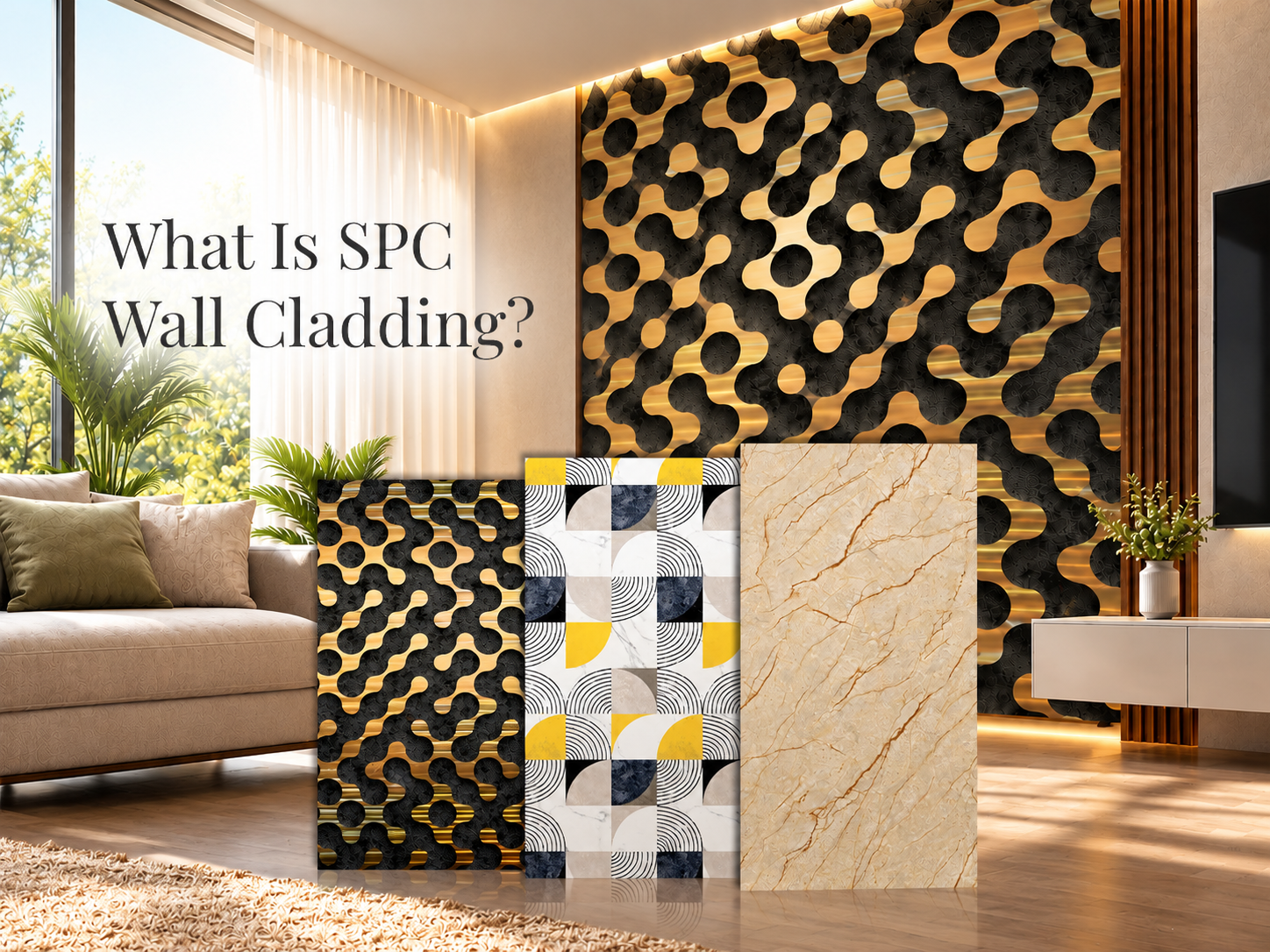
SPC stands for Stone Polymer Composite. It is a rigid composite material generally made using a combination of stone-based material such as limestone powder and polymer components. The resulting core provides a stable base for decorative surface layers, creating wall panels that can deliver the appearance of materials such as stone, marble, wood and other contemporary finishes. Unlike traditional wall finishes that may require extensive wet work, SPC wall cladding is designed as a panel-based surface solution. This makes it relevant for a wide range of residential, hospitality, retail and commercial interiors.
The performance of SPC wall cladding comes largely from its composite construction. A typical SPC wall panel consists of several functional layers:
01The outer Anti-Fade UV Coating helps protect the surface from stains and fading caused by UV exposure, helping the finish maintain its appearance over time.
02The Design Layer creates the visual appearance and feel of the wall panel. Durell offers designs inspired by natural materials such as Marble pattern, geometric pattern, Abstract pattern, Wooden pattern, allowing different aesthetic styles to be achieved across interior spaces.
03The Rigid SPC Cover forms the main structural layer of the panel, providing dimensional stability and form factor. Its rigid construction contributes to the overall stability and shape retention of the wall cladding.
The popularity of SPC Wall Cladding comes from the balance between aesthetics, durability and practicality.
01One of the major advantages of SPC wall cladding is its resistance to moisture. Durell's SPC wall-cladding products are specified as waterproof, making them suitable for both wet and dry areas. This makes SPC particularly relevant for spaces where conventional wall finishes may need additional consideration because of moisture exposure.
02Walls in homes and commercial spaces can experience everyday contact, accidental impacts and general wear. SPC wall cladding can incorporate a protective wear layer designed to improve resistance to scratches and impacts.
03Changes in environmental conditions can affect some wall materials. SPC's rigid composite construction is designed to provide dimensional stability. Durell specifies its SPC wall cladding as resistant to warping and swelling, helping maintain a consistent appearance after installation.
04A wall does not have to look like a conventional painted surface. SPC wall panels are available in different colours, textures and patterns, allowing designers to create anything from subtle feature walls to more dramatic statement surfaces.
05Another feature highlighted across Durell's SPC Wall Cladding products is an anti-termite stone-polymer composite core. This can be particularly relevant in interiors where long-term material performance and maintenance are important considerations.
06The right wall-cladding material is not only about its appearance at installation. Product specifications, warranty and installation guidance also matter when selecting a material.
SPC Wall Cladding can be considered for a variety of interior applications.
In homes, SPC wall panels can be used to create feature walls in:
Instead of covering an entire room, homeowners can also use a single decorative wall to create a focal point.
Commercial interiors often require surfaces that can withstand regular use while maintaining a professional appearance. SPC wall cladding can be used for:
Hotels, restaurants, cafés and other hospitality environments place significant emphasis on visual presentation. Decorative SPC wall panels can help create distinctive interior surfaces while offering practical material properties.
Retail stores, showrooms and other commercial environments can use wall cladding to reinforce a particular visual identity or create feature zones. The most suitable product should always be selected according to the specific installation environment, substrate, exposure conditions and manufacturer's installation requirements.
Healthcare environments such as clinics, hospitals, diagnostic centres and wellness facilities can use SPC wall cladding in reception areas, corridors, waiting rooms, consultation rooms and selected non-clinical spaces. Its decorative finish can help create clean, professional-looking interiors while offering a practical wall-surface solution.
Choosing a wall material depends on the requirements of the project. Traditional options such as paint, wallpaper, tiles, wood and natural stone each have their own characteristics. SPC Wall Cladding offers a different approach by combining a rigid composite core with a decorative surface.
Design varietyHighHighHigh Moisture resistanceDurell SPC ranges are waterproofRequires suitable paint/systemGenerally high Surface protectionDurell spc wall cladding is scratch resistantDepends on paintHigh MaintenanceGenerally straightforwardMay require repainting over timeGrout may require maintenance Installation methodPanel-basedSurface preparation + paintingAdhesive/grout installation Natural-material appearanceAvailable through decorative finishesLimitedAvailable Warranty10 yearsTypically product dependentProduct/installer dependentThe comparison shows why SPC wall cladding can be considered when a project requires a combination of decorative flexibility and practical surface performance.
Durell focuses on surface solutions for contemporary interiors, with product categories including SPC Flooring, SPC Wall Cladding and Exterior Cladding.
Durell's individual SPC wall-cladding products are specified with features including:
This combination makes the collection relevant for architects, interior designers, homeowners and commercial projects looking for contemporary wall-surface solutions.
Yes. SPC Wall Cladding can work particularly well in contemporary interiors where designers want a combination of clean aesthetics, material consistency and practical performance. With finishes inspired by marble pattern, geometric pattern, Abstract pattern, Wooden pattern, SPC panels can be used to create both understated backgrounds and statement walls. The key is to choose a finish and specification that matches the functional requirements of the space rather than selecting a panel based on appearance alone.
Walls have a significant role in defining how an interior looks and feels. With the right material, they can become more than a finished surface they can become part of the design language of the space. SPC Wall Cladding offers a combination of contemporary aesthetics and practical material performance, making it an option worth considering for modern residential and commercial interiors. Durell gives designers and homeowners the flexibility to explore different textures, colours and visual styles. Explore Durell's collection and find the wall surface that fits your next interior project.
SPC stands for Stone Polymer Composite. SPC wall cladding uses a rigid composite core combined with decorative and protective surface layers.
Is SPC Wall Cladding waterproof?SPC wall-cladding products are designed to be waterproof. Durell's listed SPC Wall Cladding products are specified as waterproof and suitable for wet and dry areas.
Is SPC Wall Cladding durable?SPC wall cladding is designed for durability, with products commonly incorporating protective wear layers. Durell's wall-cladding products specify scratch and impact resistance.
Where can SPC Wall Cladding be used?SPC wall cladding can be used across residential and commercial interiors, including living spaces, offices, hospitality environments, retail spaces and selected wet areas, depending on the product specification and installation requirements.
Does SPC Wall Cladding require a lot of maintenance?No, one of the practical advantages of SPC wall cladding is that its protected surface can generally be maintained through routine cleaning. Always follow the manufacturer's recommended cleaning and maintenance instructions.
Is SPC Wall Cladding better than tiles?There is no universal answer because the appropriate material depends on the project's requirements. SPC wall cladding offers a panel-based alternative with waterproof performance, decorative flexibility and a rigid composite core, while tiles have their own established characteristics and applications.